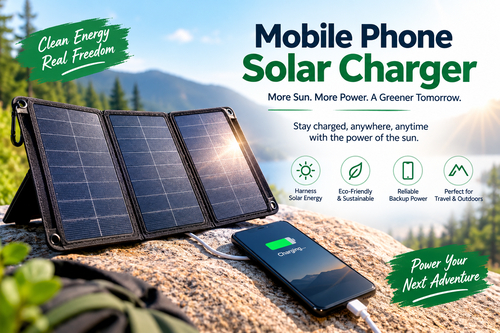
Mobile Phone Solar Charger: How It Works, Benefits & Why You Need One in 2026
As smartphones have become essential for communication, navigation, entertainment, and...

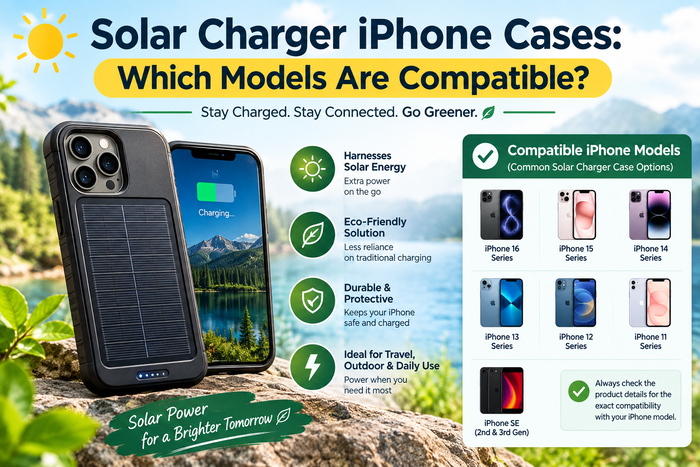
If you've decided to try a solar charger case for your iPhone, the first question that comes up is simple: will it actually fit your phone? Unlike standard cases, solar charging cases pack in a battery, a solar panel, and charging circuitry — which means compatibility isn't always as straightforward as picking your phone model off a list.
In this guide, we'll break down which iPhone models typically work with solar charger cases, what affects compatibility, and how to avoid buying a case that looks right but doesn't actually fit or function properly.
Why iPhone Compatibility Matters More With Solar Cases
A regular protective case just needs to match your phone's dimensions. A solar charger case has more moving parts — literally. It needs to align its charging port with your iPhone's Lightning or USB-C connector, position its camera cutout correctly, and often needs a battery capacity that matches your phone's power draw.
Get any of these wrong, and you end up with a case that blocks your camera, doesn't charge properly, or simply won't snap onto your phone at all. This is why checking compatibility before buying matters more with solar cases than with any other accessory.
iPhone Models That Commonly Support Solar Charger Cases
Solar charging case compatibility generally falls into a few groups based on your iPhone's charging port and physical dimensions:
Lightning Port iPhones (iPhone 8 through iPhone 14)
Most solar charger cases built for older iPhone generations — iPhone 8, X, XR, XS, 11, 12, 13, and 14 — use a Lightning connector internally. If you own one of these models, you'll have the widest selection of solar cases available, since this generation has been on the market the longest and has the most established accessory ecosystem.
USB-C iPhones (iPhone 15 and Later)
Apple's switch to USB-C starting with the iPhone 15 changed the game for solar case manufacturers. Newer solar charger cases for iPhone 15, 16, and 17 series use USB-C charging internally, which also means faster charge transfer in many cases. If you have a newer iPhone, double-check that the case is specifically listed as USB-C compatible — Lightning-based cases will not work.
Older iPhones (iPhone 6, 6s, 7)
Some solar charger cases still support older models like the iPhone 6, 6s, and 7, though selection is limited since these devices are no longer actively supported by most manufacturers. If you own one of these, expect fewer style and capacity options.
Plus and Pro Max Sizes
Larger iPhones — Plus and Pro Max variants — typically need their own case size. A solar case sized for a standard iPhone 14 will not fit an iPhone 14 Pro Max properly, since the battery and panel dimensions are built around the phone's exact height and width.
Key Factors That Affect Solar Case Compatibility
Beyond just the model name, a few technical details determine whether a solar charging case will genuinely work with your iPhone:
How to Check Compatibility Before You Buy
What Happens If You Buy the Wrong Fit
Buying a solar charger case that doesn't match your iPhone model can lead to a few common issues: the charging port may not align, leaving your phone unable to charge at all; the case may not close properly, exposing your phone to drops and scratches; or the camera cutout may block part of the lens, ruining photo quality. In almost every case, an ill-fitting solar case ends up unused in a drawer — which defeats the purpose of buying one in the first place. Taking a few extra minutes to confirm compatibility saves you a returns hassle later.
Frequently Asked Questions
Q1. Do solar charger cases work with all iPhone models?
No. Compatibility depends on your iPhone's charging port type (Lightning or USB-C) and exact physical dimensions, so you need a case built specifically for your model.
Q2. Can I use a Lightning solar case on my iPhone 15 or newer?
No. iPhone 15 and later models use USB-C, so you'll need a solar charger case specifically designed for USB-C charging.
Q3. Do solar charger cases fit Pro Max models the same as standard models?
No. Pro Max and Plus models require their own case size due to larger dimensions and different camera layouts.
Q4. Will a solar case block MagSafe charging?
It depends on the case. Some solar charger cases are MagSafe-compatible, while others are not — always check the product listing before buying if wireless charging matters to you.
Q5. What's the best way to confirm a solar case fits my iPhone?
Check the manufacturer's listed compatibility for your exact model and read reviews from buyers with the same iPhone generation before purchasing.
Final Thoughts
Solar charger cases aren't one-size-fits-all, and getting the compatibility right matters just as much as choosing a case with good battery capacity or solar efficiency. Whether you own an older Lightning-based iPhone or a newer USB-C model, take the time to confirm charging port type, size, and camera alignment before buying. A little research upfront means you'll end up with a solar case that actually protects your phone and keeps it charged — instead of one that sits unused because it never fit right.
As smartphones have become essential for communication, navigation, entertainment, and...
Choosing the right cell phone case feels simple until you...
Your smartphone is an essential part of everyday life, but...
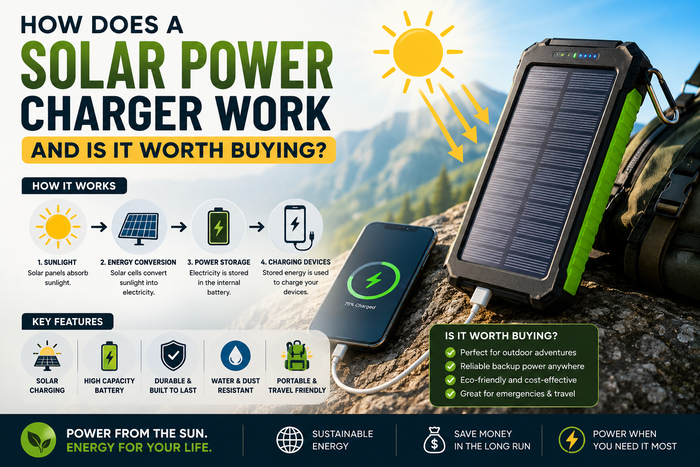
If you've ever searched for a way to charge your...
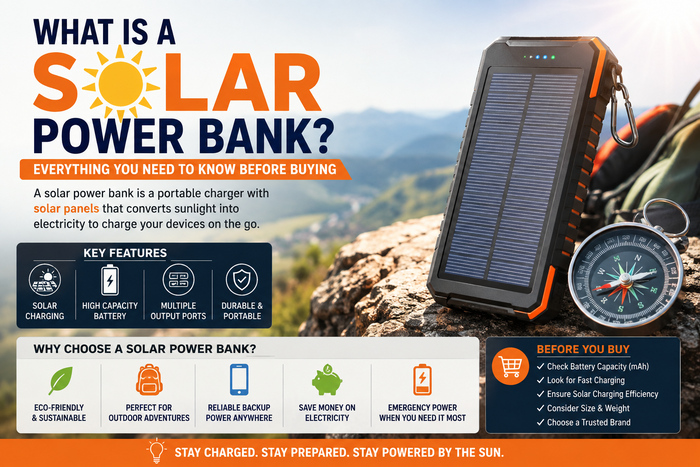
Imagine you are halfway through a hike, your phone is...
If you've decided to try a solar charger case for...