How Walmart Marketplace Management Services Can Boost Your Online Sales
Selling products online through Walmart can give businesses access to...

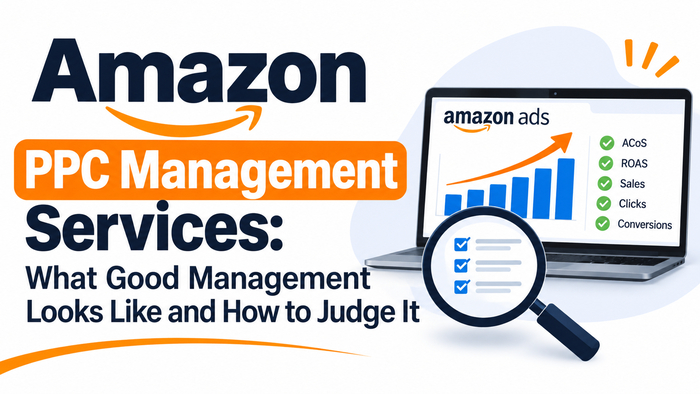
Most Amazon sellers know the feeling. Ad spend goes up every month, sales rise a little, and profit does not move. Someone suggests running more campaigns. Nobody can explain exactly where the money is going.
That situation is exactly what Amazon PPC management services are meant to fix. But the quality of these services varies enormously. Some providers genuinely improve profit. Others mostly increase spend. This guide shows you what good PPC management looks like, which numbers matter, how pricing works, and how to choose a partner you can trust.
What Are Amazon PPC Management Services?
Amazon PPC management services handle the planning, launch, monitoring, and improvement of your Amazon advertising campaigns. A specialist or agency builds campaign structures, chooses keywords and targets, sets bids and budgets, removes wasted spend, and reports on results.
Good Amazon PPC management is not about running more ads. It is about directing every rupee or dollar to the searches, products, and placements that are most likely to produce profitable orders.
The work usually covers:
Why Amazon PPC Is Harder Than It Looks
On paper, Amazon advertising is simple: choose keywords, set a bid, pay when someone clicks. In practice, several things make it tricky:
This is why many sellers see diminishing returns when they manage ads casually. It is also why experience and consistent attention matter.
Understanding the Ad Types Behind Amazon Advertising Management
A capable team knows when to use each format.
Amazon Sponsored Products
These ads promote individual listings in search results and on product pages. They are the foundation of most accounts and usually drive the most direct sales. They can be targeted by keywords or by products.
Amazon Sponsored Brands
These ads show your logo, a headline, and several products near the top of search results. They help with brand visibility and are available to sellers enrolled in Brand Registry. They work best once your core listings are converting well.
Amazon Sponsored Display
These ads reach shoppers on and off Amazon, and are often used for retargeting and defending your own product pages from competitor ads.
A strong provider does not use every format at once. They sequence them based on your stage: launch, growth, or defense.
How a Well-Built Amazon PPC Account Is Structured
Structure is where good management shows. Here is what to look for.
Separate campaigns by purpose. Typical groupings include:
Move winners and block losers. Search terms that convert in discovery campaigns graduate into exact-match campaigns. Terms that spend without selling become negative keywords.
Keep budgets tied to intent. High-intent, proven campaigns get priority. Experimental campaigns get a small, capped budget.
If a provider cannot explain how your account is structured and why, that is a warning sign.
Keyword Research and Negative Keywords: Where Profit Is Won
Amazon keyword research for ads starts with how shoppers actually search, not just the terms you assume. Good research draws on search term reports, competitor listings, and your own conversion data. The same research also feeds your organic rankings, which is why ads and Amazon SEO work best when planned together.
Negative keywords are equally important. Adding irrelevant or unprofitable terms as negatives stops your ads from showing for searches that waste budget. In many accounts, tightening negatives is one of the fastest ways to lower costs without losing sales.
Ask a provider how often they review search term reports. Weekly is a healthy rhythm for active accounts.
The Metrics That Prove Amazon PPC Is Working
Clicks and impressions are not results. Ask for these numbers every month:
One important idea: a “good” ACoS is not a fixed number. It depends on your margins and goals. A launch campaign may run at a higher ACoS to build momentum, while a mature product should run tighter. TACoS adds context by showing whether advertising is helping your total business grow, not just ad-attributed sales.
Why Listing Quality Decides Your Ad Results
Ads send traffic, but your listing decides whether it converts. Weak images, unclear titles, thin bullet points, or poor reviews make every click more expensive.
Good PPC management therefore looks beyond campaigns. It flags listing issues that hold performance back and recommends fixes. If you want stronger pages before spending more on ads, review our Amazon listing optimization approach. Rich brand content also helps shoppers decide faster, and A+ and Premium A+ content is one of the most effective ways to lift conversion on pages that already get traffic.
A Realistic Amazon PPC Management Timeline
Here is what a well-run engagement tends to look like.
Results build over time because data takes weeks to gather. Judge progress by trends in profit and efficiency, not by single days.
How Amazon PPC Management Pricing Works
Prices vary by account size and scope, so be cautious about fixed numbers without context. Common models include:
Ask whether pricing includes reporting, listing recommendations, and strategy calls, and what the minimum contract period is.
How to Choose an Amazon PPC Agency
Use these questions on your first call:
Red flags:
Before you hire, it helps to understand the common pitfalls. Read 5 mistakes sellers make before hiring Amazon PPC management services.
When Should You Hire Amazon PPC Management Services?
Outsourcing tends to pay off when:
If your ad budget is very small and you enjoy hands-on work, a one-time audit and training may be a better first step.
One more point: ads depend on a healthy account. Policy issues, suppressed listings, or poor performance metrics can limit your ad delivery, so Amazon account health management should run alongside any PPC plan.
Amazon PPC Management in India and for Global Sellers
India has a strong base of Amazon advertising specialists who support sellers across Amazon.in, Amazon.com, and other marketplaces. When working with an Indian or offshore team, confirm time-zone overlap for urgent changes, marketplace experience, reporting quality, and data security practices.
Frequently Asked Questions
What do Amazon PPC management services include?
Campaign setup, keyword research, bid and budget management, negative keywords, reporting, and strategy reviews. Confirm scope in writing.
What is a good ACoS on Amazon?
It depends on your margins and goals. Launch phases may run higher, while mature products should run tighter. Compare ACoS with your profit margin and TACoS.
How long before PPC improves?
Early cleanup can reduce waste within weeks. Stronger gains usually build over a few months as data accumulates.
Can PPC fix a weak listing?
No. Ads can bring traffic, but the listing must convert it. Fix both together.
Should I give an agency my password?
No. Use Amazon’s user permissions so you keep control and can remove access at any time.
Conclusion
The best Amazon PPC management services do more than adjust bids. They build a clear campaign structure, control waste, report on profit-focused metrics, and connect advertising with listing quality and inventory. Use the questions and checklist above, look beyond clicks and impressions, and choose a partner who is as focused on your margins as you are.
If you want to see how a structured PPC engagement works, explore our Amazon PPC management services.
Next Step: Get a Free Amazon PPC Account Review
Not sure where your ad budget is going? Contact our team for a free consultation. Share your current ad spend and goals, and we will outline the quickest opportunities to improve efficiency and profit.
Selling products online through Walmart can give businesses access to...
Protect your Amazon business with professional Amazon Account Health Management...
Selling successfully on Amazon requires more than simply uploading product...
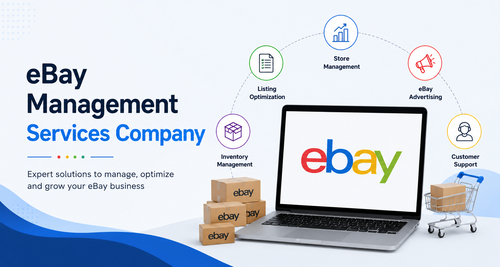
Selling on eBay can open the door to millions of...
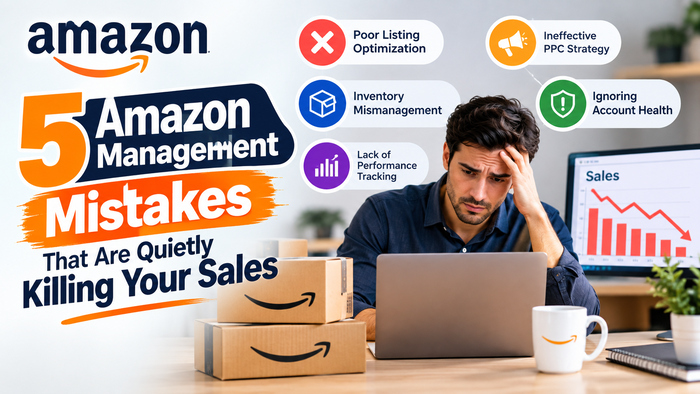
If your Amazon sales have plateaued — or worse, started...
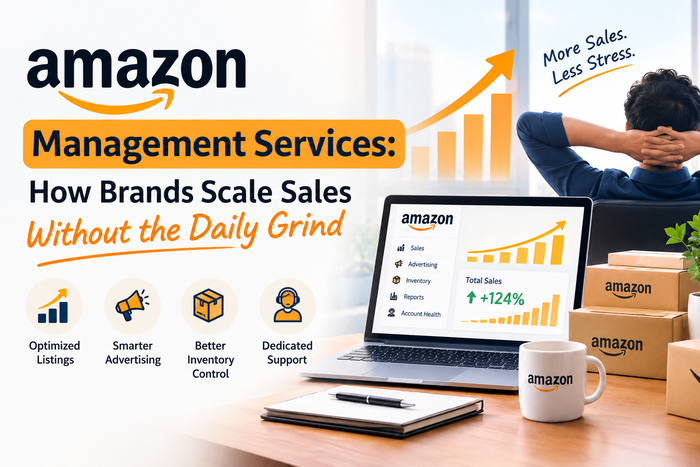
Running an Amazon store sounds simple until you're actually doing...
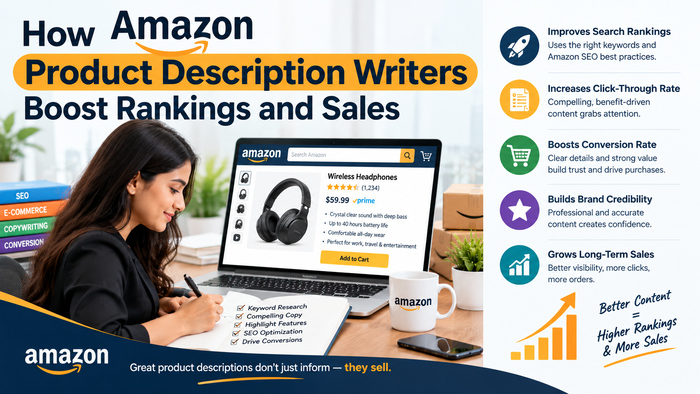
You can have a great product, a fair price and...
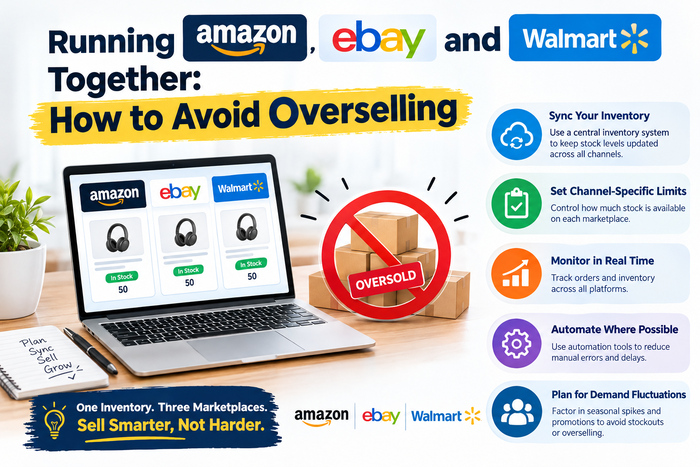
Picture this. You have 12 units of a bestselling item...
Most Amazon sellers know the feeling. Ad spend goes up...

Small Peacock Urli Rose Candle Enhance your festive décor with...

Even if your monthly budget doesn't seem like enough to...

Looking to create memorable brand experiences and engage your audience?...

Looking to build a career in SAP Finance? Learn how...