
Zoho Development Company in India: Customize, Automate, and Scale Your Business Operations
Most businesses adopt Zoho because it's affordable and feature-rich —...

You have a product, a brand name and a budget. Then the quotes arrive. One agency says ?40,000, another says ?4 lakh, and a third wants to “scope it first.” The store is the same, but the numbers are wildly different. It’s easy to overpay, and just as easy to pick the cheapest option and regret it three months later.
This guide explains how a Shopify development company sets its prices, what projects typically cost in 2026, which hidden charges catch people out, and how to get a quote you can trust.
The Short Answer
A simple store on a premium theme can cost a few thousand dollars. A custom design with integrations usually costs several times that. An enterprise Shopify Plus build with custom apps can reach six figures. The price depends less on Shopify itself and more on what you ask for, who builds it, and where they are based.
How a Shopify Development Company Prices Its Work
Most agencies use one of three pricing models.
1. Hourly billing. You pay for the hours worked. This suits small fixes, audits and projects where the scope keeps changing. The risk is that costs can grow if the brief is vague.
2. Fixed-price projects. You agree on a scope and a total price upfront. This works well for Shopify store development, custom theme development and Shopify migration, because you know the budget before work starts. Extra requests outside the scope are billed separately.
3. Monthly retainer or dedicated developer. You pay a set monthly fee for ongoing work, such as new features, CRO tests and maintenance. This suits growing stores that change often.
Hourly Rates in 2026
Rates vary enormously. One 2026 report puts the global spread for Shopify developers at roughly $15 to $95 an hour, with a global median around $33. A separate benchmark lists mid-level US freelancers at $62 to $100 an hour, and agencies or dev shops at about $120 to $205 an hour, because project management, design and testing are built into the rate.
Location matters too. The same report says Eastern European Shopify developers cost about half as much as North American ones. Agencies in India often sit toward the lower end of the global range, which is one reason many international brands outsource here.
Keep in mind that a low hourly rate doesn’t always mean a low total cost. A slower or less experienced team can take more hours to do the same work.
What Makes the Price Go Up or Down
Design complexity
A ready-made theme with light changes costs far less than a fully custom layout. Unique animations, custom product pages and bespoke navigation all add design and Shopify developer hours.
Number of products and data migration
Moving 50 products is simple. Moving 15,000 products with variants, customer records, reviews and SEO redirects takes real planning. A careful team sets up 301 redirects so you don’t lose your Google rankings.
Integrations
Connecting your store to an ERP, CRM, inventory tool, shipping partner or payment gateway adds cost. Every integration needs building, testing and ongoing support.
Checkout customisation
This one catches many store owners off guard. Shopify has been changing how checkout customisation works. According to one 2026 hiring guide, Shopify Scripts stopped working on June 30, 2026, and standard stores had until August 26, 2026 to move off the legacy checkout. If your store is older, you may need extra development work to move to checkout extensibility and Shopify Functions.
Headless commerce
A headless setup significantly increases development cost, because you’re building and maintaining a separate front end. It’s powerful for large brands, but overkill for most small stores.
Timeline
Rush projects usually cost more because the team has to reshuffle other work.
Team experience and location
Senior developers cost more per hour but often finish faster and make fewer mistakes. Geography is the other big lever, as shown above.
Hidden Costs Many Owners Forget
A quote from a Shopify development company rarely covers everything. Ask about these separately:
Agency, Freelancer or In-House?
A freelancer is usually cheaper and fine for small, well-defined jobs. The trade-off is that you manage the project yourself, and the work stops if they become unavailable.
An agency costs more per hour, but you get designers, developers, QA testers and a project manager in one team. For anything involving custom design, integrations or migration, a Shopify development company is usually the safer bet.
An in-house developer makes sense once you have continuous work every week, but salary, tools and management time add up.
How to Get an Accurate Quote
Vague briefs produce vague prices. Before you contact a Shopify development company, prepare:
Then ask each agency for an itemised proposal: design, development, testing, content, training and support listed separately. This makes comparison easy and exposes missing items.
How to Avoid Overpaying
At Beta Soft Technology, we think the most useful quote is one where every line item is explained in plain language. If a proposal can’t tell you what you’re paying for, treat that as a signal to ask more questions.
Frequently Asked Questions
How much does a Shopify development company charge?
It depends on scope. A basic store may cost a few thousand dollars, a custom build often costs $5,000 to $20,000 or more, and enterprise Shopify Plus projects can go higher. Agency rates also vary widely by location.
What is the average hourly rate for a Shopify developer?
Rates range from roughly $15 to $95 an hour globally, with agencies usually charging more than freelancers. Experience, location and project complexity drive the difference.
Is it cheaper to hire a freelancer than a Shopify development company?
Often yes, especially for small tasks. But a Shopify development company gives you a full team, structured delivery and ongoing support, which can save money on bigger projects by reducing rework.
How much does Shopify migration cost?
Migration typically ranges from a couple of thousand dollars to $15,000 or more. Catalogue size, custom data, and SEO redirect work are the main factors.
How long does it take to build a Shopify store?
A theme-based store can take two to four weeks. A custom design with integrations often takes eight to sixteen weeks, depending on how fast content and feedback arrive.
Are there monthly costs after the store launches?
Yes. Expect your Shopify plan, paid apps, payment gateway fees and optional maintenance. Maintenance plans commonly range from a few hundred to a couple of thousand dollars a month.
Do I need Shopify Plus?
Only if you have high order volume, multiple storefronts or advanced checkout needs. Most growing stores do well on standard plans first.
Final Thoughts
The right price for a Shopify development company isn’t the lowest number you can find. It’s the one that matches your scope, shows what you’re getting, and covers support after launch. Prepare a clear brief, compare itemised quotes, and ask about hidden costs before you sign. If you’d like a plain-language estimate for your store, Beta Soft Technology would be glad to talk it through.
Most businesses adopt Zoho because it's affordable and feature-rich —...

Every year, hundreds of businesses in Delhi search for a...

In today’s competitive digital landscape, businesses need web applications that...
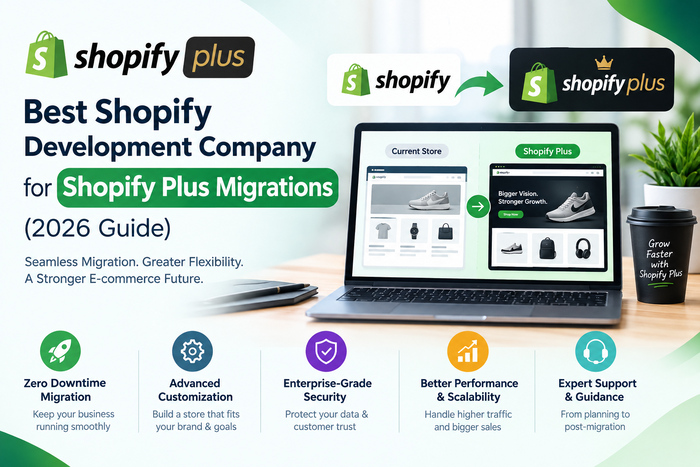
Migrating to Shopify Plus isn't the same as launching a...
You have a product, a brand name and a budget....
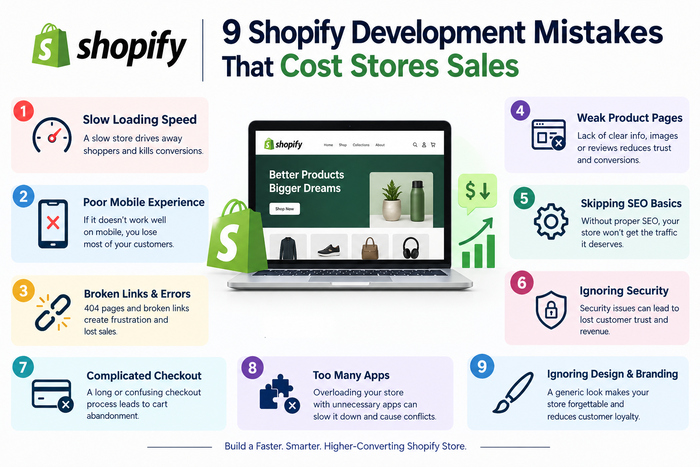
You launched your store, the design looks great, and the...
You launched your store, the design looks great, and the...

Customers need to be guaranteed thorough scrutiny of their situation...

As long as you are a consumer, company, contractor, insurance...

Get in touch with DRT Lawyer Delhi to seek legal...