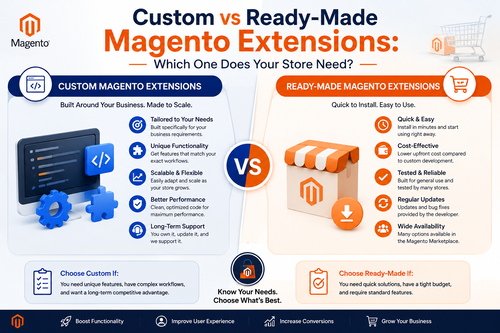
Custom vs Ready-Made Magento Extensions: Which One Does Your Store Need?
At some point, almost every Magento store owner hits the...

At some point, almost every Magento store owner hits the same wall: the default platform doesn't do exactly what your business needs. Maybe you need a unique checkout flow, a specific ERP integration, or a loyalty program that doesn't exist in any marketplace listing. That's when the question comes up — should you install a ready-made extension, or invest in custom development?
This decision matters more than most merchants realize. The wrong choice can mean months of compatibility headaches, security risks, or paying for features you'll never use. This guide breaks down the real differences so you can make the right call, and understand what to look for in reliable Magento Extension Development Services.
What Are Ready-Made Magento Extensions?
Ready-made extensions are pre-built modules available on the Magento Marketplace or from third-party vendors. They're designed to solve common problems — payment gateways, SEO tools, product filters, shipping calculators — and can usually be installed and configured within a day or two.
They're a good fit when your requirement is standard, your budget is limited, and you don't need anything beyond what's already available off the shelf.
Advantages:
Limitations:
What Is Custom Magento Extension Development?
Magento Extension Development is the process of building a module from scratch, tailored precisely to your store's requirements — whether that's a unique pricing engine, a custom API integration, or a feature that simply doesn't exist in any marketplace listing. Unlike ready-made modules, custom extensions are built around your exact data structure, business rules, and long-term roadmap.
This is where working with an experienced Magento Extension Development Company makes a real difference, since building a stable, secure, and upgrade-safe module requires deep familiarity with Magento's core architecture — not just surface-level customization.
Advantages:
Limitations:
Custom vs Ready-Made: How They Really Compare
When you strip away the marketing language, the two approaches differ across a handful of practical factors.
Cost: Ready-made extensions come with a lower initial cost, while custom extensions require a higher upfront investment that typically pays off through better long-term ROI.
Setup time: A ready-made extension can be installed and configured within days. Custom development takes longer — usually a few weeks, depending on complexity.
Flexibility: Ready-made solutions are limited to whatever the vendor originally designed, whereas a custom extension is fully tailored to your specific business logic.
Maintenance: With ready-made extensions, you're dependent on the vendor's update cycle. Custom extensions give you full control and are generally easier to maintain over time.
Code quality: Off-the-shelf modules are often generic and carry unnecessary bloat to serve a wide range of stores. Custom-built extensions are lean and purpose-built for exactly what your store needs.
Compatibility risk: Ready-made extensions carry a higher risk of conflicts, especially once you're running several of them together. Custom extensions carry lower risk since they're built specifically for your existing stack.
How to Decide Which One You Need
Ask yourself these questions before making a decision:
1. Is your requirement standard or unique?
If you simply need a Google Analytics integration or a basic wishlist feature, a ready-made extension will likely cover it. If your workflow involves something specific to your industry or internal systems, custom development is the safer route.
2. How many extensions are already installed on your store?
The more third-party extensions running together, the higher the chance of conflicts. A professional Magento Extension Development Service Provider can audit your current setup and recommend whether a custom solution would reduce that risk.
3. What's your long-term growth plan?
If you're planning to scale, integrate with an ERP or CRM, or expand into new markets, a custom-built extension avoids the technical debt that comes from stretching a generic module beyond its intended use.
4. What's your budget and timeline?
Ready-made extensions win on speed and cost for now. Custom extensions cost more upfront but typically save money over time by avoiding licensing fees, compatibility patches, and repeated redesigns.
What to Expect From a Professional Magento Extension Development Company
Whether you choose ready-made or custom, the quality of execution depends entirely on who's building or configuring it. A capable Magento Extension Development Company should offer:
This is the approach Team Magento follows with every project. Instead of pushing a one-size-fits-all extension, Team Magento first evaluates whether your store genuinely needs custom development or if an existing solution can be configured to meet your goals — because the right recommendation isn't always the most expensive one.
Why Location Matters When Choosing a Provider
Many businesses today are comparing Magento Extension Development Services In India against providers in the US or Europe, and for good reason. Experienced Indian teams often deliver the same technical depth — clean architecture, API integrations, and Magento 2 best practices — at a significantly more competitive rate. If you're evaluating a Magento Extension Development Company In India, look beyond pricing alone and check their portfolio, client reviews, and post-launch support policies.
A reliable Magento Extension Development Service Provider In India should be able to show real, functioning extensions they've built — not just a list of services on a webpage.
Final Thoughts
There's no universal right answer between custom and ready-made Magento extensions — it depends entirely on your store's specific needs, budget, and growth plans. Ready-made extensions work well for standard functionality and quick turnarounds. Custom development is the better investment when your business needs something unique, scalable, and free of long-term compatibility issues.
Whatever direction you choose, partnering with an experienced provider of Magento Extension Development Services ensures the solution actually fits your store — instead of forcing your store to fit the solution. Take the time to evaluate your requirements honestly, ask the right questions, and choose a team that prioritizes your long-term success over a quick sale.
At some point, almost every Magento store owner hits the...
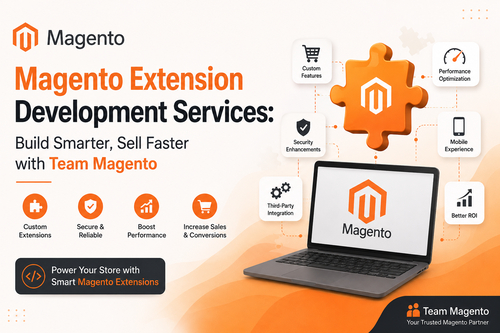
Why Your Magento Store Needs Custom ExtensionsOut-of-the-box Magento is powerful,...
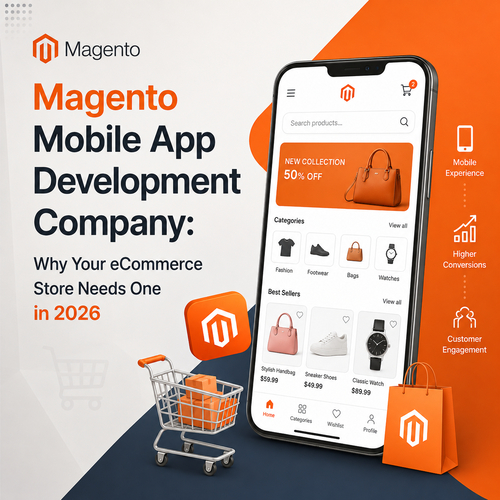
Looking for a reliable Magento Mobile App Development Company to...
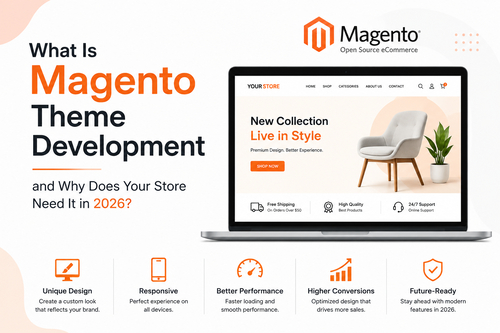
If you’re running an online store and searching for ways...
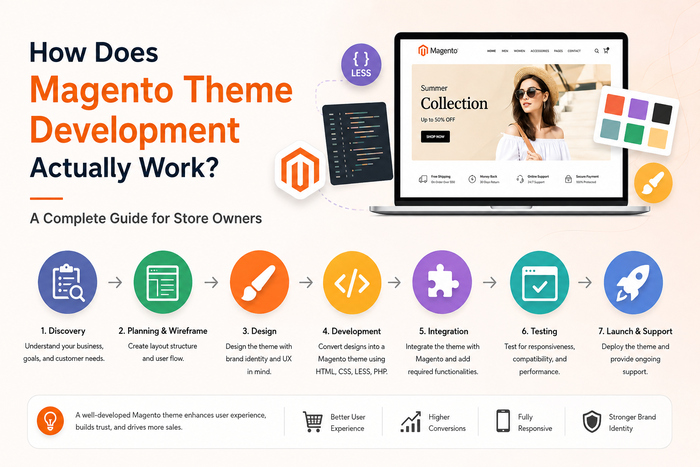
Most people searching for "Magento theme development" aren't just looking...
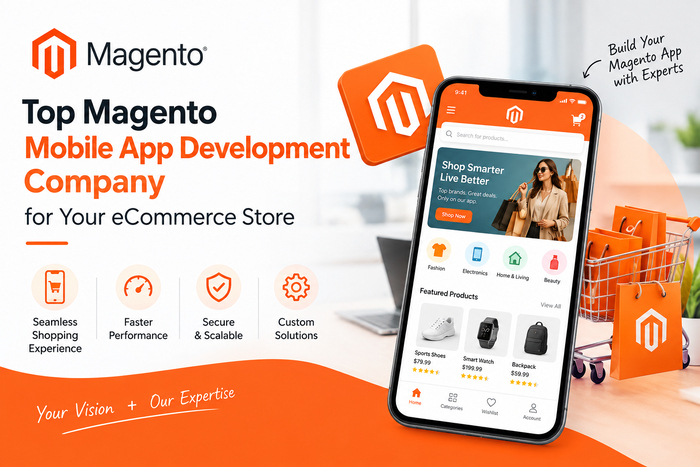
If you're running a Magento store today, you already know...
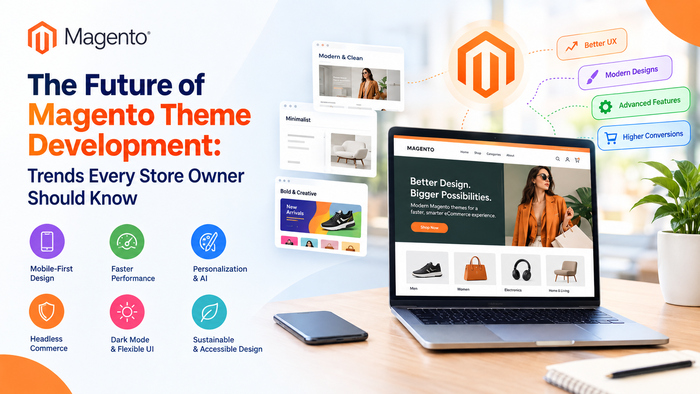
Online shopping doesn't look the same as it did even...

Looking for a reliable Magento Theme Development Company for your...
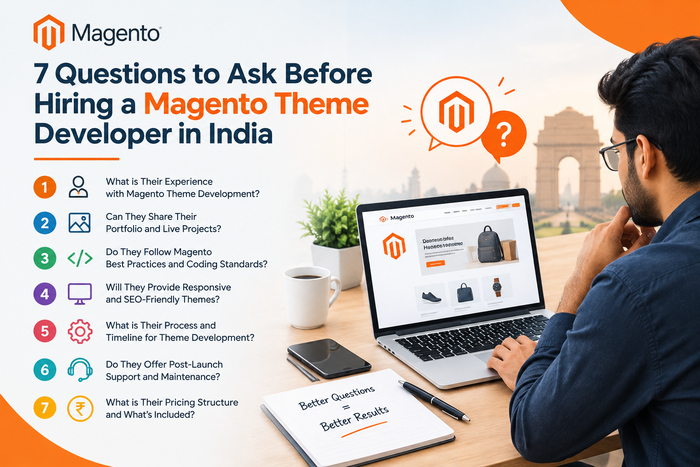
Your store's theme is the first thing a customer judges....
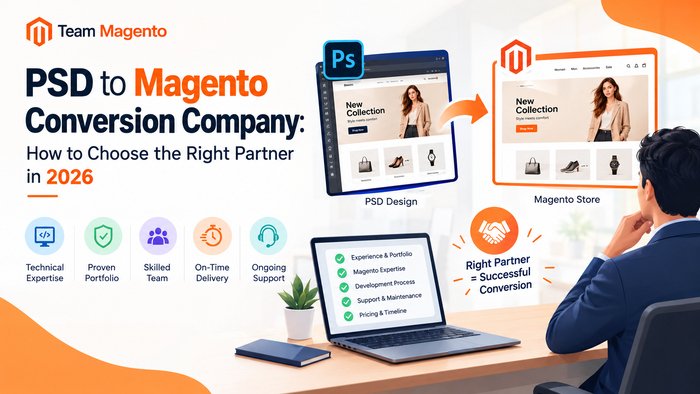
Your designer has delivered a beautiful storefront. The homepage looks...

Facing bank harassment can cause significant anxiety for borrowers receiving...

Has your insurance claim been rejected, delayed, or underpaid? An...
Your designer has delivered a beautiful storefront. The homepage looks...

Discover professional Anti-Wrinkle Treatment South Morang to help reduce the...